Harvard Business School professor and bestselling author exploring purpose-driven leadership and bold organizational growth
ET
Is Fear Driving our Economy?: Why only the bold will survive
Is Fear Driving our Economy?: Why only the bold will survive
"Fear is a reaction. Courage is a decision." — Winston Churchill
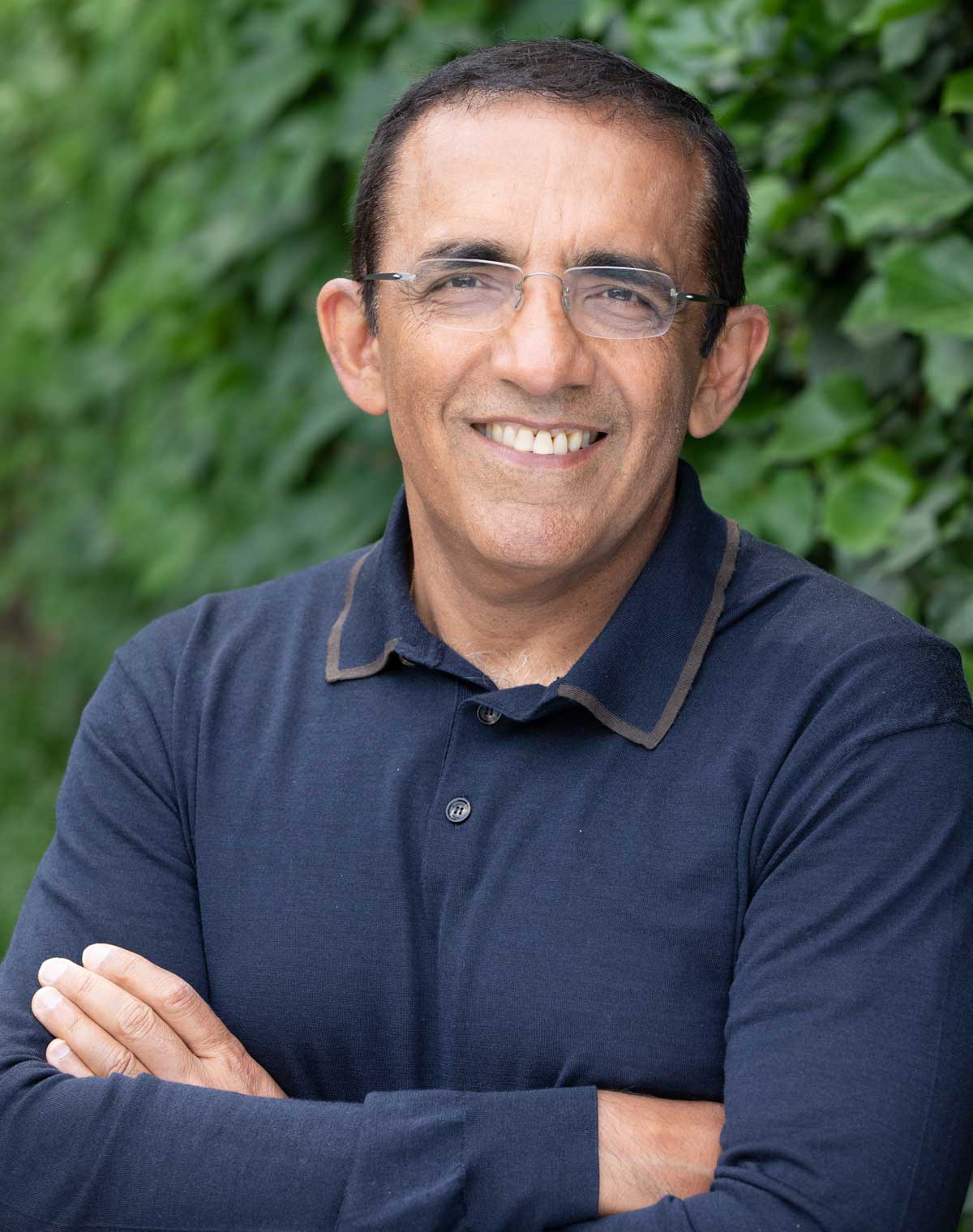
After decades studying why some companies break through while others collapse, Harvard Business School's Paul R. Lawrence Professor of Business Administration and author of How to Be Bold: Facing Your Fears and Living with Purpose, Dr. Ranjay Gulati has identified an uncomfortable truth: fear is silently killing bold action. And in a world convulsing with upheaval– technological disruption, climate shocks, and geopolitical chaos, the courage to act boldly has become the ultimate competitive advantage.
Dr. Gulati's research has surfaced the hidden architecture of organizational courage. Drawing on neuroscience and behavioral psychology, he reveals why our brains are hardwired to avoid the very risks that could save us—and how to override that instinct.
He has documented exactly how fear hijacks decision-making: CEOs delaying necessary pivots, teams killing innovative ideas to avoid looking foolish, organizations suffocating under analysis paralysis while competitors race ahead. The cost of this collective timidity is staggering.
Dr. Gulati has mapped the systems and cultural practices that enable bold action as well the learnable discipline of courage.
Join us with your questions about Dr. Gulati's work including:
The neuroscience of fear: How your brain sabotages bold decisions—and techniques to override it
Purpose as competitive weapon: Why mission clarity beats endless analysis
The vulnerability paradox: How admitting fear unlocks courage
Real-world boldness blueprints: Companies that exploited crises through bold action
Building bold-capable cultures: Systems that transform fear into forward motion
High-stakes decisions under uncertainty: Frameworks for acting boldly with incomplete data
Turning catastrophe into competitive advantage: Converting challenges into catalysts for transformation
In an era where business models have expiration dates measured in months, where AI is rewriting every industry overnight, and where the next Black Swan event is already taking flight—playing it safe has become the riskiest strategy of all.
After decades studying why some companies break through while others collapse, Harvard Business School's Paul R. Lawrence Professor of Business Administration and author of How to Be Bold: Facing Your Fears and Living with Purpose, Dr. Ranjay Gulati has identified an uncomfortable truth: fear is silently killing bold action. And in a world convulsing with upheaval– technological disruption, climate shocks, and geopolitical chaos, the courage to act boldly has become the ultimate competitive advantage.
Dr. Gulati's research has surfaced the hidden architecture of organizational courage. Drawing on neuroscience and behavioral psychology, he reveals why our brains are hardwired to avoid the very risks that could save us—and how to override that instinct.
He has documented exactly how fear hijacks decision-making: CEOs delaying necessary pivots, teams killing innovative ideas to avoid looking foolish, organizations suffocating under analysis paralysis while competitors race ahead. The cost of this collective timidity is staggering.
Dr. Gulati has mapped the systems and cultural practices that enable bold action as well the learnable discipline of courage.
Join us with your questions about Dr. Gulati's work including:
The neuroscience of fear: How your brain sabotages bold decisions—and techniques to override it
Purpose as competitive weapon: Why mission clarity beats endless analysis
The vulnerability paradox: How admitting fear unlocks courage
Real-world boldness blueprints: Companies that exploited crises through bold action
Building bold-capable cultures: Systems that transform fear into forward motion
High-stakes decisions under uncertainty: Frameworks for acting boldly with incomplete data
Turning catastrophe into competitive advantage: Converting challenges into catalysts for transformation
In an era where business models have expiration dates measured in months, where AI is rewriting every industry overnight, and where the next Black Swan event is already taking flight—playing it safe has become the riskiest strategy of all.