
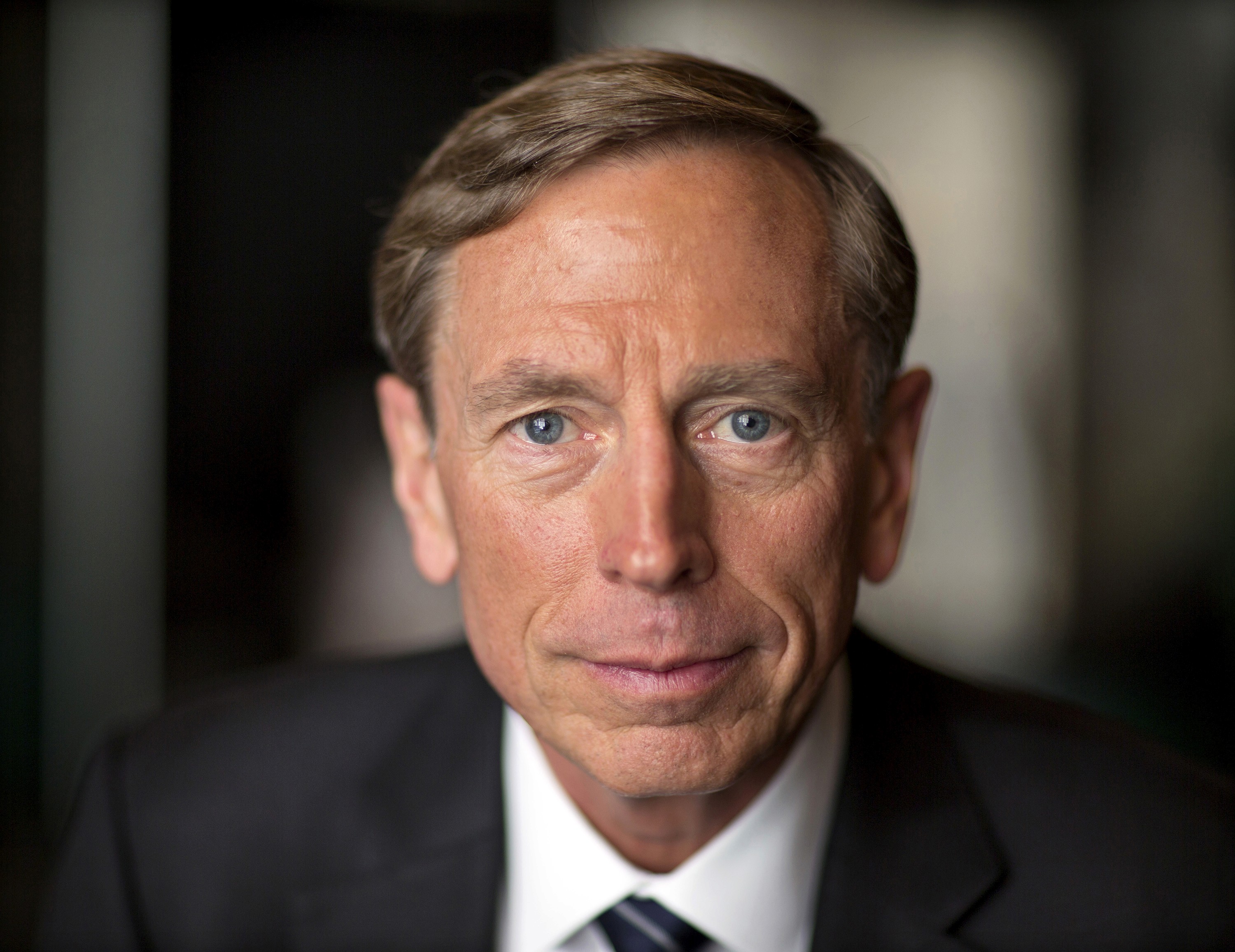
Partner at KKR, Chairman of the KKR Global Institute, former Commander of U.S. Central Command and coalition forces in Iraq and Afghanistan, and former Director of the CIA
ET
Venezuela's sudden collapse, what this means for American power, global energy, and Iran
Venezuela's sudden collapse, what this means for American power, global energy, and Iran
The capture of Nicolás Maduro represents the most dramatic U.S. intervention in Latin America in a generation, upending the political landscape of a nation that holds the world's largest proven oil reserves. For the first time in decades, the Monroe Doctrine—America's assertion of primacy in the Western Hemisphere—is being tested through direct action rather than diplomatic pressure.
The implications extend far beyond Caracas: energy markets face potential disruption as Venezuelan production could surge or collapse, Iran has lost a critical Western Hemisphere ally after watching its regional network fragment, and China and Russia are recalculating their influence operations across the Global South.
For executives navigating supply chain decisions, energy procurement strategies, and emerging market investments, the next 12-24 months in Venezuela will have direct bottom-line impact. General Petraeus commanded the surge in Iraq, led Central Command during the Arab Spring, and directed the CIA as the Middle East descended into proxy conflicts.
His experience spans the full arc of intervention: initial operations, stabilization challenges, and the long-term strategic consequences that determine whether regime change becomes sustainable transition or prolonged crisis. He also understands what Beijing and Moscow are watching closely—whether this operation signals a new willingness to project American power, and what it means for their own calculations in Taiwan, Ukraine, and contested regions worldwide.
In this one-hour briefing designed for business leaders, investors, and strategists planning for an uncertain geopolitical landscape, we will examine what the Maduro operation reveals about the new rules of great power competition and what executives need to understand about the risks and opportunities ahead.
General Petraeus will discuss the strategic objectives for Venezuela over the next 12-24 months, the stabilization challenges that will determine whether this becomes a success story or another protracted crisis, and the lessons from Iraq and Afghanistan that must inform the approach. We'll explore the Iran dimension—Tehran just lost a critical partner for weapons technology, sanctions evasion, and intelligence sharing—and whether this accelerates nuclear escalation or signals the end of its "axis of resistance."
The economic stakes are substantial: Venezuela's 300 billion barrels of oil reserves could reshape OPEC dynamics, affect global energy pricing, and create new supply chain considerations for multinationals. Regional partnerships with Colombia, Brazil, and Guyana will determine success, yet each faces competing pressures that could fracture unity. Meanwhile, Cuba—which relied heavily on Venezuelan oil and provided Maduro's personal security—faces an uncertain future as Secretary of State Marco Rubio warns the regime is "in a lot of trouble," and President Trump has renewed calls to annex Greenland for national security purposes, describing the Arctic territory as "surrounded by Russian and Chinese ships."
The broader deterrence question looms large—China and Russia are watching to see whether this operation demonstrates American resolve or exposes overreach, informing their own calculations about Taiwan, Ukraine, and contested zones across Africa and Latin America. This conversation will help executives and policymakers navigate the most consequential geopolitical shift in the Western Hemisphere in decades—and better understand what it means for American power, global markets.
Join us for a rare opportunity to hear from someone who has lived through these inflection points and understands both the immediate operational realities and the long-term strategic consequences that will shape markets, supply chains, and geopolitical risk for years to come.
The capture of Nicolás Maduro represents the most dramatic U.S. intervention in Latin America in a generation, upending the political landscape of a nation that holds the world's largest proven oil reserves. For the first time in decades, the Monroe Doctrine—America's assertion of primacy in the Western Hemisphere—is being tested through direct action rather than diplomatic pressure.
The implications extend far beyond Caracas: energy markets face potential disruption as Venezuelan production could surge or collapse, Iran has lost a critical Western Hemisphere ally after watching its regional network fragment, and China and Russia are recalculating their influence operations across the Global South.
For executives navigating supply chain decisions, energy procurement strategies, and emerging market investments, the next 12-24 months in Venezuela will have direct bottom-line impact. General Petraeus commanded the surge in Iraq, led Central Command during the Arab Spring, and directed the CIA as the Middle East descended into proxy conflicts.
His experience spans the full arc of intervention: initial operations, stabilization challenges, and the long-term strategic consequences that determine whether regime change becomes sustainable transition or prolonged crisis. He also understands what Beijing and Moscow are watching closely—whether this operation signals a new willingness to project American power, and what it means for their own calculations in Taiwan, Ukraine, and contested regions worldwide.
In this one-hour briefing designed for business leaders, investors, and strategists planning for an uncertain geopolitical landscape, we will examine what the Maduro operation reveals about the new rules of great power competition and what executives need to understand about the risks and opportunities ahead.
General Petraeus will discuss the strategic objectives for Venezuela over the next 12-24 months, the stabilization challenges that will determine whether this becomes a success story or another protracted crisis, and the lessons from Iraq and Afghanistan that must inform the approach. We'll explore the Iran dimension—Tehran just lost a critical partner for weapons technology, sanctions evasion, and intelligence sharing—and whether this accelerates nuclear escalation or signals the end of its "axis of resistance."
The economic stakes are substantial: Venezuela's 300 billion barrels of oil reserves could reshape OPEC dynamics, affect global energy pricing, and create new supply chain considerations for multinationals. Regional partnerships with Colombia, Brazil, and Guyana will determine success, yet each faces competing pressures that could fracture unity. Meanwhile, Cuba—which relied heavily on Venezuelan oil and provided Maduro's personal security—faces an uncertain future as Secretary of State Marco Rubio warns the regime is "in a lot of trouble," and President Trump has renewed calls to annex Greenland for national security purposes, describing the Arctic territory as "surrounded by Russian and Chinese ships."
The broader deterrence question looms large—China and Russia are watching to see whether this operation demonstrates American resolve or exposes overreach, informing their own calculations about Taiwan, Ukraine, and contested zones across Africa and Latin America. This conversation will help executives and policymakers navigate the most consequential geopolitical shift in the Western Hemisphere in decades—and better understand what it means for American power, global markets.
Join us for a rare opportunity to hear from someone who has lived through these inflection points and understands both the immediate operational realities and the long-term strategic consequences that will shape markets, supply chains, and geopolitical risk for years to come.